Written by
Dr. Luis Zavala
Published date
September 11, 2026
Bariatric surgery reverses aging caused by obesity
The benefits of bariatric surgery are tangible, and there are increasingly more studies based on success stories that prove them. The reduction of blood glucose and blood pressure, the decrease or elimination of sleep apnea, and the reduction of the heart's workload and cholesterol levels are some of these positive effects.
In recent years, it has been observed that this type of intervention even helps reverse the premature aging associated with obesity, as demonstrated by a study presented during the "Frontiers in Cardiovascular Biology 2016" meeting of the European Society of Cardiology.
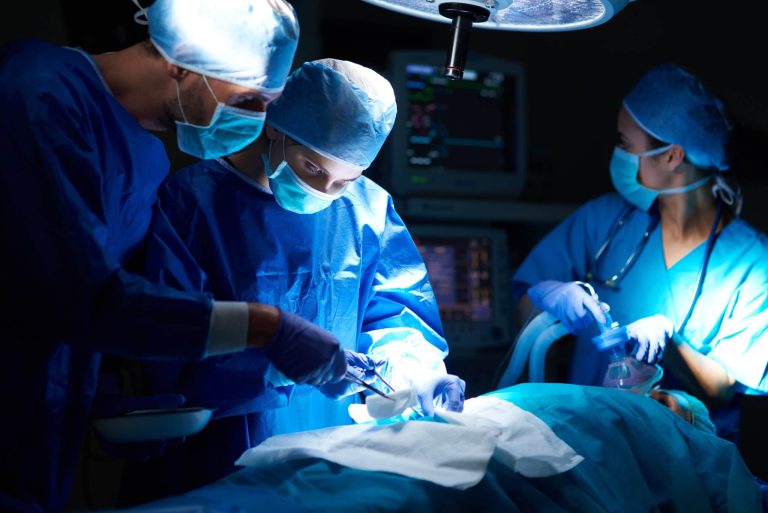
This latter benefit will be discussed in detail in this article, but before doing so, it is important to first point out what bariatric surgery consists of.
It is a set of surgical techniques that can be used to treat patients who have a Body Mass Index (BMI) greater than 35. This BMI level denotes the presence of excess adipose tissue in the body, which can lead to comorbidities such as diabetes, hypertension, high cholesterol and triglycerides, heart attacks, and premature aging, among others.
Thus, to contribute to improving the health of those in this situation, bariatric surgery has been developed. There are different types, such as gastric bypass (reducing the size of the stomach and connecting it to the small intestine) and gastric sleeve (reducing the size of the stomach).
Why are obesity and aging related?
Before delving into how bariatric surgery helps reverse premature aging related to obesity, one must first understand why both conditions are connected.
In this regard, Philipp Hohensinner, a specialist at the Medical University of Vienna who led the study addressing this issue, points out that the population with obesity ages prematurely mainly due to two factors: the increased levels of inflammation in their adipose tissues and the short length of their telomeres.
Both phenomena, according to the research, have a negative impact on the 'good health' of cells, which leads to eventual senescence or aging of the cells; this is why there is a direct relationship between obesity and the body's aging.
Long telomeres = Young cells
Telomeres, which are non-coding DNA regions located at the ends of chromosomes, function as a kind of internal clock for cells. When a cell divides, the telomeres shorten (a phenomenon that can also occur with oxidative stress situations), and the more they shorten, the more difficult it is for the cell to divide. If the cell is not replaced, it enters a senescence phase.
For context, the study led by cardiovascular biologist Philipp Hohensinner indicates that previous research has shown that women with obesity have shorter telomeres than those of the same age with a normal weight.
It is even estimated that the shortening of telomeres associated with obesity is equivalent to what would be generated if the cells divided naturally over an eight-year period. And this is where bariatric surgery comes into play, as the study by the researchers from the Medical University of Vienna showed that this intervention contributes to the lengthening of telomeres.
Success stories
In the research by Hohensinner and his team, the evolution of the blood state was monitored for two years, in addition to the BMI of 76 patients with an average age of 40 and morbid obesity (that is, a BMI equal to or greater than 35 kg/m2, establishing the participants' average BMI at 44 kg/m2) who underwent bariatric surgery.
The results of the blood tests showed that the participants' telomere length was up to 80% greater two years after their respective interventions.
As the study's director points out, "the telomere length of immune blood cells had increased 24 months after surgery. These cells are replaced over time, which implies that the cells we saw before the operation were different from those we observed in this new post-surgical environment."
"In fact, these new cells had longer telomeres and a younger appearance than those observed before the intervention. They also appeared to have less stress and be less forced to proliferate," he adds.
Likewise, the blood results evidenced that, two years after the surgery, the oxidative damage of the telomeres was reduced almost threefold, which speaks of a remarkable improvement in the health status of the cells.
On the other hand, the research also demonstrated the effectiveness of bariatric surgery in reducing the participants' body weight. In particular, the average BMI stood at just 27.5 kg/m2 12 months after the intervention, representing an average loss of 38% of that indicator.
This body weight reduction also led to a decrease in the levels of two pro-inflammatory cytokines (plasminogen activator inhibitor-1 and interleukin-6), as well as an increase in an anti-inflammatory cytokine (interleukin-10).
Considering these findings, Dr. Hohensinner expressed during the presentation of the study, "we believe that the cells seem to rejuvenate, with longer telomeres, because there is less shortening caused by oxidative stress on these telomeres."
"Obesity, and specifically the presence of a large amount of fat tissue, seems to subject the body to increasing stress. Therefore, weight loss and the loss of this adipose tissue reduce this stress, so the body rejuvenates."
"Ultimately, this is very good news for patients who have undergone this type of surgery, as it demonstrates that the damage caused by obesity can be reversed," the Austrian specialist concluded.
For more information on bariatric surgery procedures, contact the medical specialist Dr. Luis Zavala: https://drluiszavala.com/contacto-lp15/