Written by
Dr. Luis Zavala
Published date
July 6, 2026
Bariatric surgeon: an obesity specialist, according to Oceano Medicina
Weight loss is, for many, a difficult challenge that prevents them from feeling satisfied with their health and lifestyle. Fortunately, the care of a bariatric surgeon and a multidisciplinary team is the answer to help those who have not managed to lose weight despite having tried everything.
According to the magazine Oceano Medicina, today obesity continues to be one of the main problems affecting Mexicans. This condition leads to the appearance of others, such as diabetes and chronic diseases, and is associated with 13 types of cancer, whose impact on health can be deadly.
Those who suffer from this condition often turn to diets, exercise, or other remedies to deal with it; however, losing weight is not easy at all, and upon seeing no results, the patient feels frustration and ends up abandoning the treatments.
That is where bariatric surgery and multidisciplinary treatment come into play, as the weight loss is constant. It is not an easy way out and it is not magic, as one must diet and change habits. The difference is that with this treatment, weight loss is highly effective, and that keeps the patient motivated.
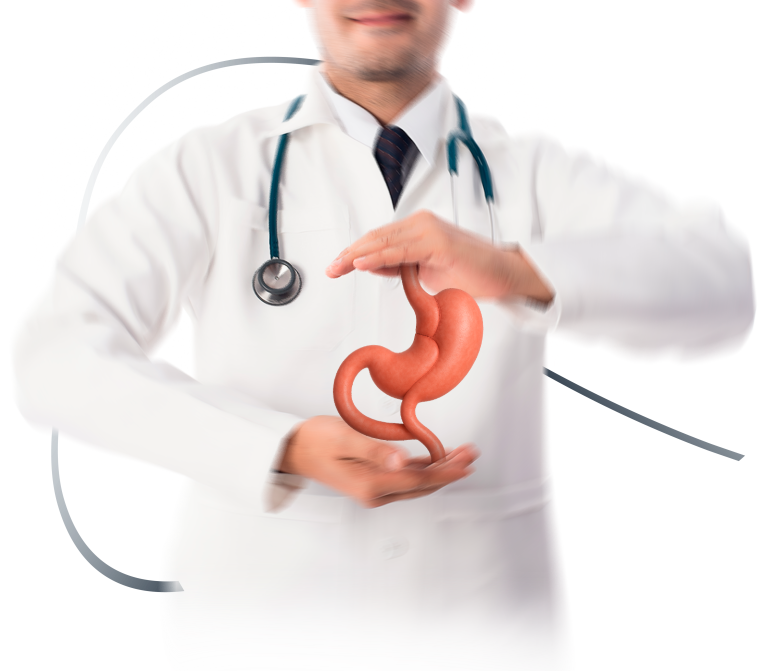
The bariatric surgeon becomes a great ally in this situation, since within their specialty, they perform procedures such as the gastric sleeve and gastric bypass to deal with obesity and other diseases related to metabolic behavior.
The role of a bariatric surgeon, along with their multidisciplinary team, is to provide safe and effective treatment that works in the short and long term for weight loss through personalized care. This takes into account various patient aspects—such as gender, age, body type, height, and behavioral habits—which help identify the ideal method to achieve a healthy body.
When is it necessary to see a bariatric surgeon?
The bariatric surgeon can be your best ally if your situation is described by the following factors:
The patient CANNOT achieve their ideal weight with traditional methods, such as diet and exercise.
They have a body mass index (BMI) greater than 35, or greater than 30 with an associated disease.
They have diabetes, hypertension, or other conditions derived from obesity.
The patient needs to lose more than 20 kilos (44 lbs).
Diseases that bariatric surgery helps prevent or improve
The care of a bariatric surgeon and a multidisciplinary team not only helps eliminate obesity from the patient's life, but its consequences can also be prevented through their surgical methods.
These consequences are diseases that develop due to the initial presence of excess weight in patients. These are some of the conditions that can be prevented and, in certain cases, if already present, managed:
Type 2 diabetes, prediabetes, insulin resistance
Cancer
Cardiovascular diseases
Hypertension
Dyslipidemia
Sleep apnea and respiratory problems
Liver and gallbladder disease
Joint problems (Osteoarthritis)
Fertility problems
Polycystic ovary syndrome
Stroke
To achieve this disease prevention goal, the patient can turn to surgical procedures in a safer, faster, and more effective way.
Types of surgeries performed by the bariatric surgeon
The bariatric surgeon is trained to perform three types of surgeries. Although their goal is the same, the procedure and characteristics of each are different:
Gastric bypass: The bariatric surgeon reduces the size of the stomach, leaving it with a capacity of between 15 to 30 ml. In addition, the stomach is connected to the small intestine to bypass a part of calorie absorption, helping patients feel full faster and lose weight.
Gastric sleeve: A large part of the stomach is removed, and the rest is turned into a narrow tube with a capacity of 80 cc to 120 cc (the normal being 1000 cc). This process is not reversible and generates a faster feeling of satiety to contribute to weight loss.
Gastric balloon: A silicone balloon is placed in the stomach to interfere with the body's satiety process, so that by ingesting a small amount of food, one can feel full and begin to lose weight. The gastric balloon is left in the body for a period of 6 to 12 months and leaves no scars.
The treatment must be accompanied by follow-up from a multidisciplinary team that will help the patient change their habits (eating well and exercising). This is not a one-year diet; it is a life change. This ensures that the patient does not regain the weight.
Dr. Luis Zavala is a bariatric surgeon with extensive experience in bariatric care and surgeries, whose knowledge adapts to each patient's situation. Through an appointment, this specialist addresses questions and consultations regarding his bariatric consulting services.